

Hair Growth Supplements: What You Need to Know for Healthier Hair
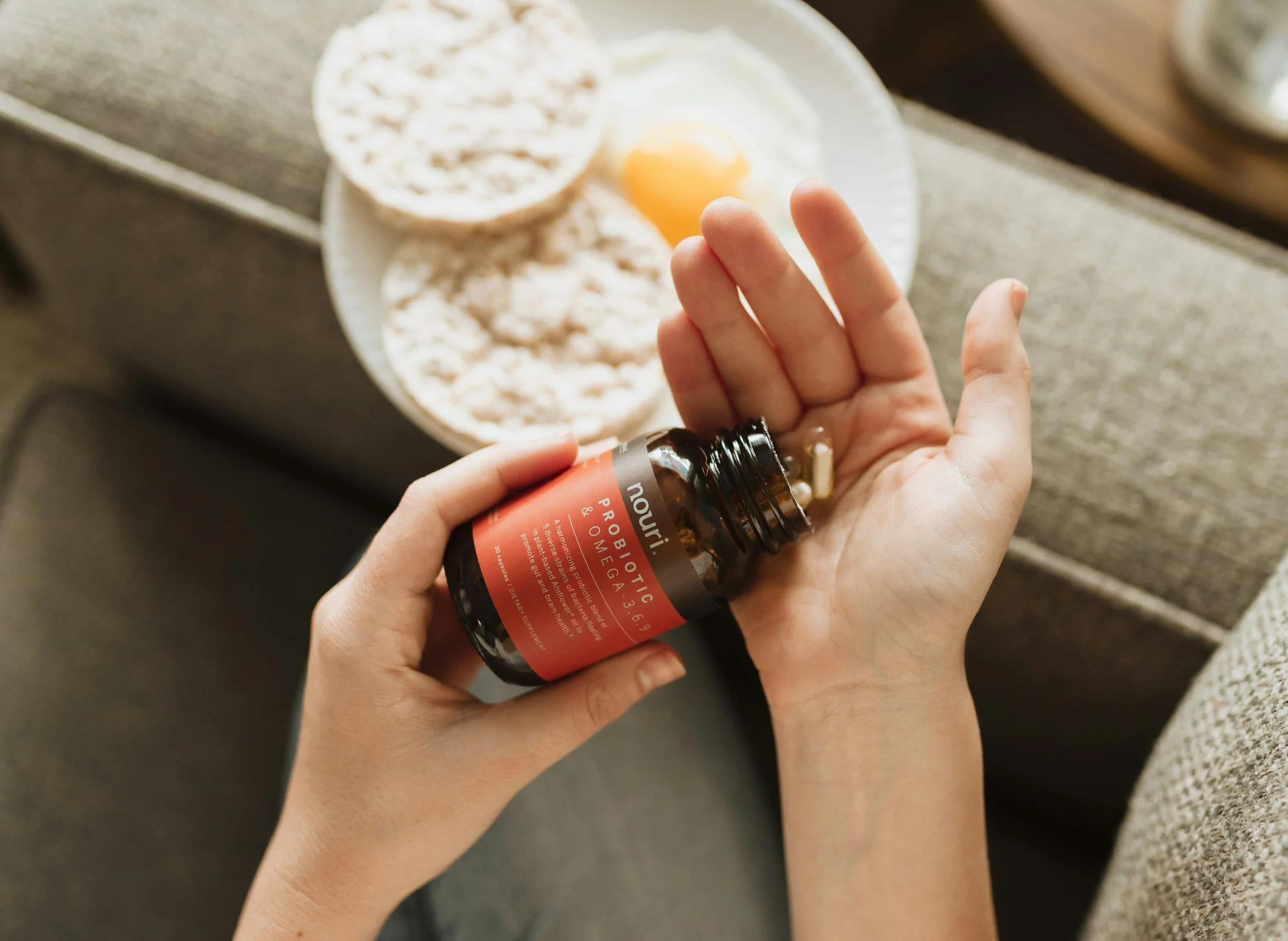
If you're trying to grow your hair longer, make it feel thicker, or recover from increased shedding, you've probably come across countless supplements promising to transform your hair.
Biotin gummies. Collagen powders. Hair vitamins. Scalp serums. The list goes on.
But healthy hair growth is much more complicated than simply taking a supplement.
Your hair can be affected by nutrition, hormones, stress, genetics, medications, illness, scalp health, and how you care for your hair. If you're noticing a significant change in your hair, it's worth looking at the bigger picture rather than immediately reaching for a bottle of hair vitamins.
As a hairstylist, these are some of the things I encourage my clients to consider when they're working toward healthier hair.
Disclaimer: This post is for general educational purposes and reflects suggestions I share with clients. It is not medical advice and is not intended to diagnose or treat hair loss or any medical condition. If you're experiencing significant, sudden, or persistent hair loss or shedding, seeing a dermatologist or other qualified medical professional is the best place to start.
Start with blood work
If your hair has suddenly started shedding more than usual, feels noticeably thinner, or isn't growing the way it normally does, consider talking with your healthcare provider about whether blood work is appropriate.
Hair changes can sometimes be associated with nutritional deficiencies or hormonal changes, and blood work can help your provider determine whether there is an underlying issue that needs attention.
Depending on your symptoms and medical history, your provider may consider checking things such as iron/ferritin, vitamin D, thyroid function, B12, and other nutritional markers.
The important part is not to assume that you are deficient in something and start taking high-dose supplements on your own.
Test, then supplement when appropriate.
More isn't always better, and certain supplements can be harmful when taken in excessive amounts.
Don't overlook your hormones
Hormones can have a major effect on your hair.
Changes in estrogen, progesterone, thyroid hormones, and other hormones can influence the hair growth cycle. This is one reason some women notice changes in their hair during major hormonal transitions.
Pregnancy and the postpartum period are a great example.
Some women notice thicker-looking hair during pregnancy and then experience increased shedding several months after giving birth. This can be a normal part of the hair growth cycle, but significant or persistent shedding should still be discussed with your healthcare provider.
Other hormonal changes can affect hair, too.
If you're noticing a significant change in your hair along with other changes in your body, don't assume you simply need a better shampoo or supplement. Talk to your doctor or dermatologist about whether hormones could be contributing.
Look at your nutrition
Your hair needs adequate nutrition to grow normally.
Protein is particularly important because hair is primarily made of a protein called keratin. A balanced diet that provides adequate protein, healthy fats, fruits, vegetables, and whole grains gives your body the building blocks it needs.
Nutrients such as iron, zinc, vitamin D, B12, and other vitamins and minerals are also involved in normal hair and body function.
But there's an important distinction:
Taking a supplement isn't necessarily beneficial if you aren't deficient.
If you're concerned about your nutrition, a healthcare professional can help determine whether testing or supplementation makes sense for you.
Pay attention to your scalp
Healthy hair starts at the scalp, so your scalp deserves just as much attention as your ends.
If you use dry shampoo, texture sprays, oils, or a lot of styling products, regular cleansing becomes especially important.
A clean, well-maintained scalp creates a better environment for your hair follicles and can help prevent excessive product buildup.
What about scalp serums?
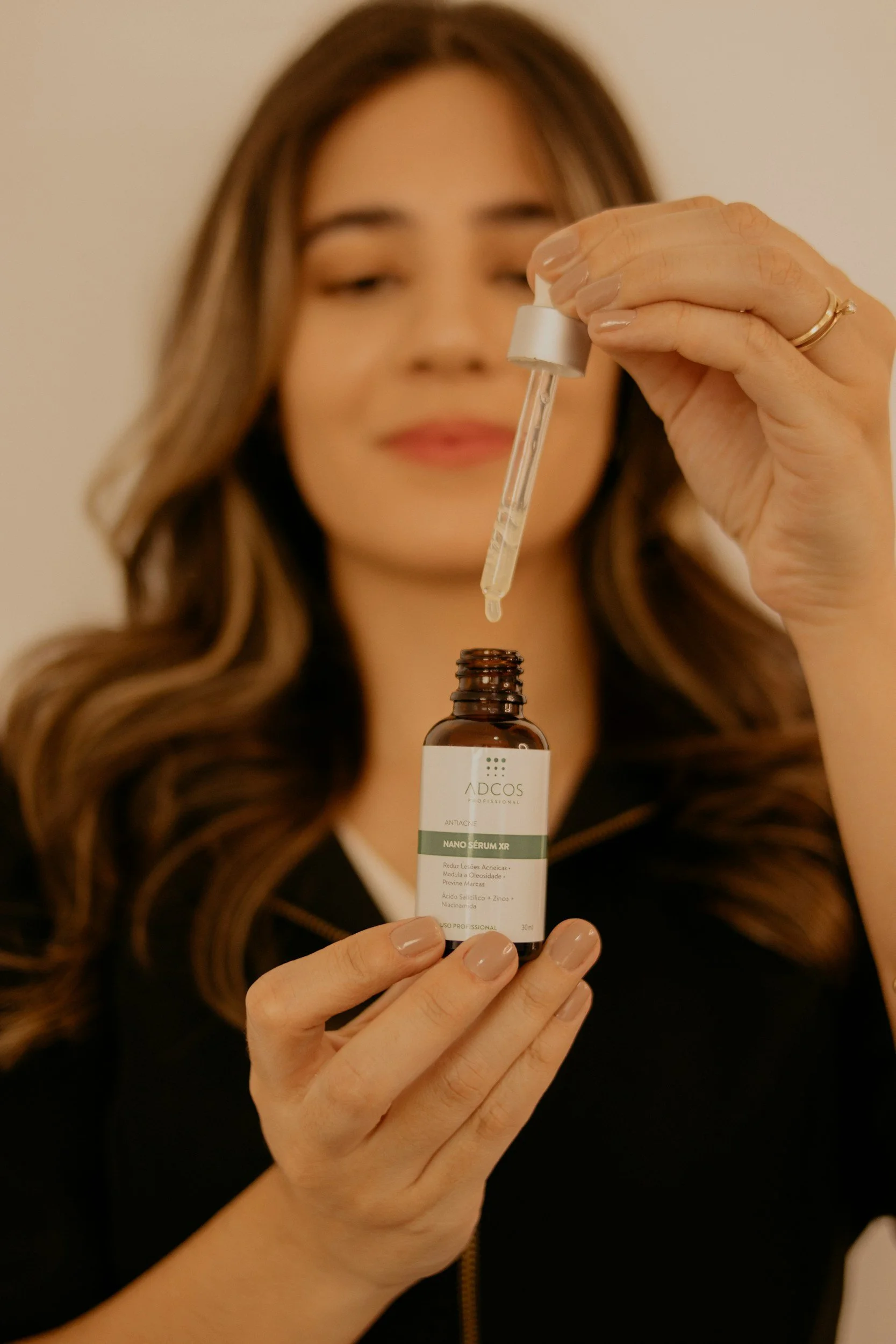
Scalp serums can be a nice addition to your haircare routine.
There are many different types of scalp products available, and their ingredients and claims vary significantly. Some are designed to moisturize the scalp, while others are formulated specifically around the appearance of fuller or thicker-looking hair.
I personally like the idea of incorporating a scalp-focused product into your routine as long as you understand what the product is designed to do and have realistic expectations.
A serum isn't going to override genetics, a nutritional deficiency, or a hormonal issue.
Think of it as one piece of your overall haircare routine—not the entire solution.
If you're experiencing actual hair loss, it's best to speak with a dermatologist before relying on a cosmetic scalp serum.
Don't forget about the hair you already have
While you're focused on growing new hair, don't forget to protect the hair that's already on your head.
If your goal is longer hair, retaining your length is just as important as growing it.
That means minimizing unnecessary breakage from:
Excessive heat styling
Over-processing
Aggressive brushing
Tight hairstyles
Skipping heat protection
Using products that aren't appropriate for your hair
Regular conditioning treatments, gentle detangling, professional haircare, and heat protection can all help you maintain the length you're working so hard to grow.
Be patient with your hair
Hair growth takes time.
There isn't a shampoo, supplement, or serum that can instantly give you inches of new hair.
If you're trying to grow your hair, think about the process from both directions:
Support healthy growth from the inside while protecting the hair you already have on the outside.
That means paying attention to nutrition, addressing potential medical or hormonal factors, caring for your scalp, minimizing breakage, and giving your hair time.
When should you see a hair loss specialist?
If you're experiencing sudden, significant, patchy, or persistent hair loss, don't wait months trying different products and supplements to see what works.
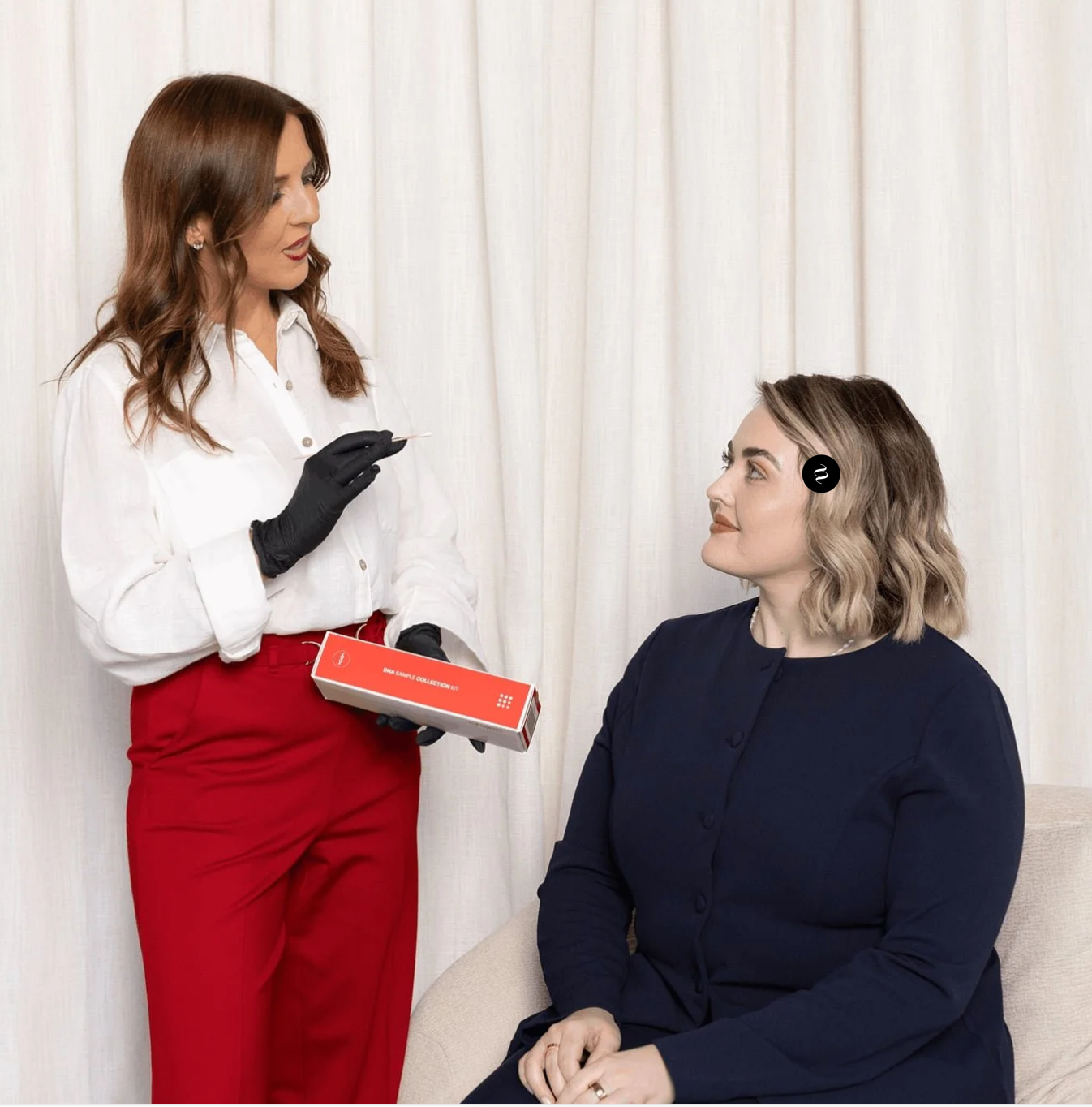
A dermatologist who specializes in hair and scalp conditions can evaluate what's happening, look for potential causes, and recommend appropriate treatment.
Your stylist can be an important part of your hair-health team because we're often the first people to notice changes in your hair—but we aren't medical professionals.
If something feels different, unusual, or concerning, your dermatologist or hair loss specialist is the person to ask.
Healthy hair is about more than a supplement.
The healthiest approach to hair growth is rarely one single product.
Look at the whole picture: your nutrition, blood work when appropriate, hormones, scalp health, haircare routine, styling habits, and overall health.
And if you're concerned about hair loss or significant shedding, start with your healthcare provider or dermatologist rather than trying to diagnose the problem yourself.
Your hair is worth taking care of from the inside out.